 Storywork
The learning opportunity
The unit makes honesty concrete through a small everyday choice. Explore what a person wants, what happens when they conceal the truth, and how a caring response can support accountability. Keep discussion focused on choices rather than labeling someone a liar.
Learning goal
Students reflect on the value of honesty, the impact of lying, and the importance of trust in relationships.
Competencies: Self-Awareness, Relationship Skills, Responsible Decision-Making
Sharla’s story
When I was a little girl, I wasn't able to get new clothes or new shoes very often. I remember one time when I was about seven years old, my mom took me shopping and we bought a brand-new pair of shoes that I could wear for dress-up. These were for Sundays at church or other special occasions—shoes I was supposed to wear only for those times.
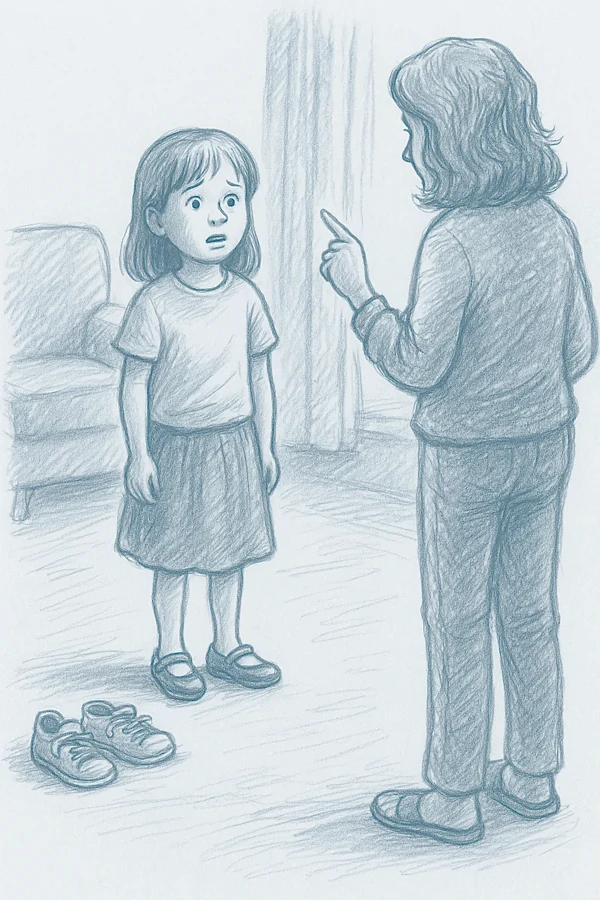
One school morning, after my mom had already left for work and while I was waiting for my ride to school, I started thinking about those new shoes. I really wanted to wear them. I was so excited about how shiny and special they looked. So I put them on, even though my mom had told me they were only for special occasions. I hid my tennis shoes behind a chair in the living room so no one would see.
At school, I was thrilled to be wearing something so new and pretty. I felt proud showing them off to my friends. But all day I kept thinking about what I’d do when I got home. I knew my mom would be there already. As soon as I walked through the door, I ran to my room, put the dress shoes away, and tried to act like everything was normal.
Later, my mom called me over. She asked, "Sharla, what shoes did you wear to school today?" My stomach sank. I knew I was in trouble. I lied and said, "My usual ones."
But then she held up my tennis shoes—the ones I had hidden behind the chair. "Why did I find these here?" she asked.
I felt devastated. My mom knew I had lied. I admitted the truth and told her I was just excited to wear the new shoes. She gently talked to me about honesty and trust. She told me that if I lied even once, it would be hard for her to know when she could trust me again.
I never forgot that conversation—or the feeling that came with it. From that point on, I don’t think I ever told my mom a lie again. That moment taught me the real value of telling the truth.
Step 2: Lesson Plan – "Honesty and Trust"
Objective: Students reflect on the value of honesty, the impact of lying, and the importance of trust in relationships.
Part 1: Discussing the Story (10–15 mins)
Why did Sharla wear the new shoes to school?
How did she feel when her mom found out?
What did this moment teach her about honesty?
Part 2: Decisions and Truth (15–20 mins)
Think about a time you were tempted to bend the truth. What did you do?
Write about how you felt and what you learned.
Part 3: Trust Builders (20 mins)
In small groups, make a list of things that build or break trust.
Create posters showing how to rebuild trust after a mistake.
Spark, shutdown and reflection
Journal Prompts:
A Spark: When did telling the truth help strengthen a relationship?
A Shutdown: When did a lie create distance or hurt someone?
What does it take to rebuild trust?
Sharing Options:
Skits about truth-telling and honesty
Class honesty wall: anonymous stories of telling the truth
Ask students: "Why does honesty matter, even in small things? How can we help each other be brave enough to tell the truth?"
Companion guidance by Scott Simpson and Sharla Steever. Consult the book alongside these resources; activities and summaries do not replace the complete book.