 Storywork
The learning opportunity
Loss affects people in different ways and at different times. Offer language and listening without prescribing an emotional response. Let learners stay with the story, a fictional example, or private reflection; do not require them to describe their own bereavement.
Learning goal
Students will understand the importance of expressing their emotions and how sharing difficult feelings can support personal and collective healing.
Competencies: Self-Awareness, Emotional Regulation, Empathy, Relationship Skills
Sharla’s story
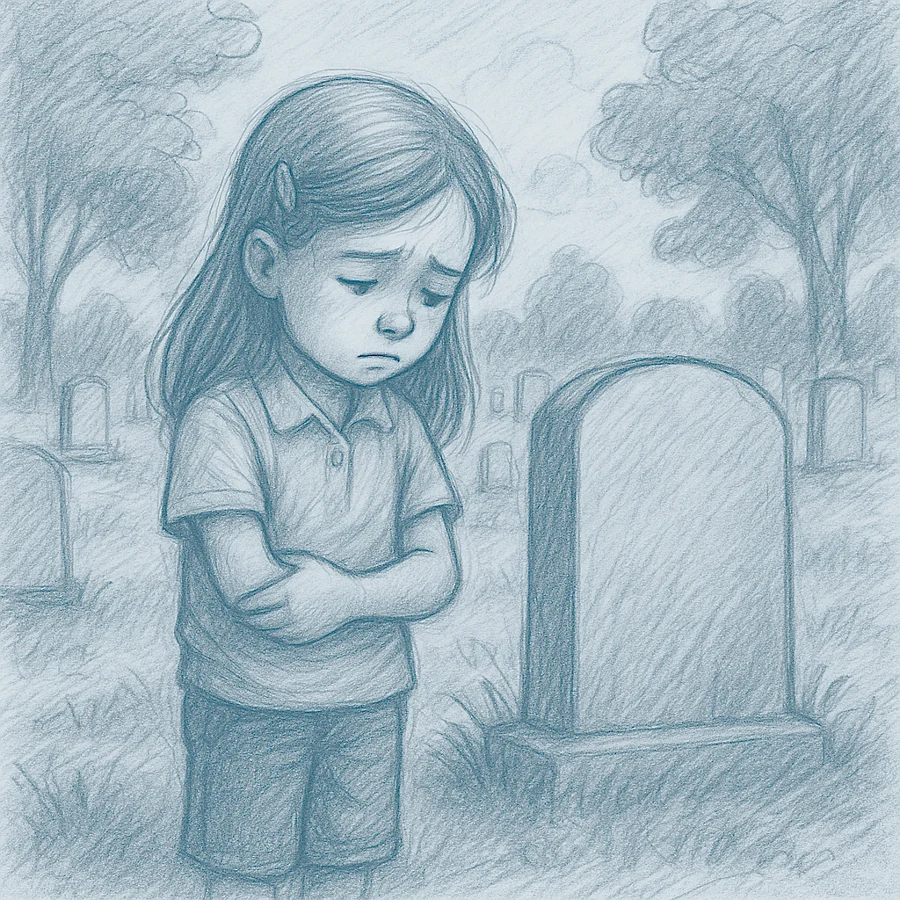
Growing up, I had a lot of wonderful experiences, but also some very difficult ones. Between the ages of 4 and 7, I experienced multiple heartbreaking losses. My first best friend died in a car accident while riding his bike. My aunt, who was only 18 and a senior in high school, died in a car accident near her farm. My grandma passed away from leukemia when I was six, and my great-grandma died from cancer just a year later.
All of these losses were devastating, and I remember seeing a lot of sadness in my family. Because of that, I didn’t want to be a burden. I tried not to bring up how I was feeling. I didn’t want to add to everyone’s grief, so I stayed quiet. I didn’t talk about it. I held everything in.
As I got older—into my twenties and thirties—I realized that every time I experienced a new loss, I felt overwhelmed with grief. More than I expected. I started to understand that by not having a space to talk about those earlier losses, I had buried a lot of pain.
When we don't talk about the sad or hard things we’ve gone through—when we don’t have the opportunity to grieve—they can stay inside us and make it harder to handle future losses.
As an adult, I’ve been working on allowing myself to feel and express my grief. Talking about it has helped me find healing. And I’ve learned that sharing our stories and our pain not only helps us—it can help others heal too.
If you’ve experienced a loss or are carrying something heavy, I encourage you to talk to someone you trust. Sharing those feelings is part of the healing process.
Step 2: Lesson Plan Theme
Theme: Grief, Emotional Expression, and Healing Goal: Students will understand the importance of expressing their emotions and how sharing difficult feelings can support personal and collective healing.
Classroom Discussion Prompts:
What kinds of losses did Sharla experience as a young child?
Why didn’t she talk about how she was feeling?
What happened when she buried her feelings instead of expressing them?
Why is it important to share our feelings with others?
Spark, shutdown and reflection
Spark Story Prompt:
Tell or write about a time when you felt sad about something but didn’t share it. What would it feel like to talk about it now?
Write about a time someone listened to you when you were hurting. How did that help you feel better?
Shutdown Reflection Prompt:
Describe a time when you hid your emotions to protect others. How did it feel to keep it inside?
Reflection Options:
Create a “Feelings Journal” entry about a time you experienced a loss or sadness.
Draw or write about someone you trust to talk to when you’re feeling sad or upset.
What changes when we know that feeling and sharing our sadness is not weakness, but part of healing?
Companion guidance by Scott Simpson and Sharla Steever. Consult the book alongside these resources; activities and summaries do not replace the complete book.