 Storywork
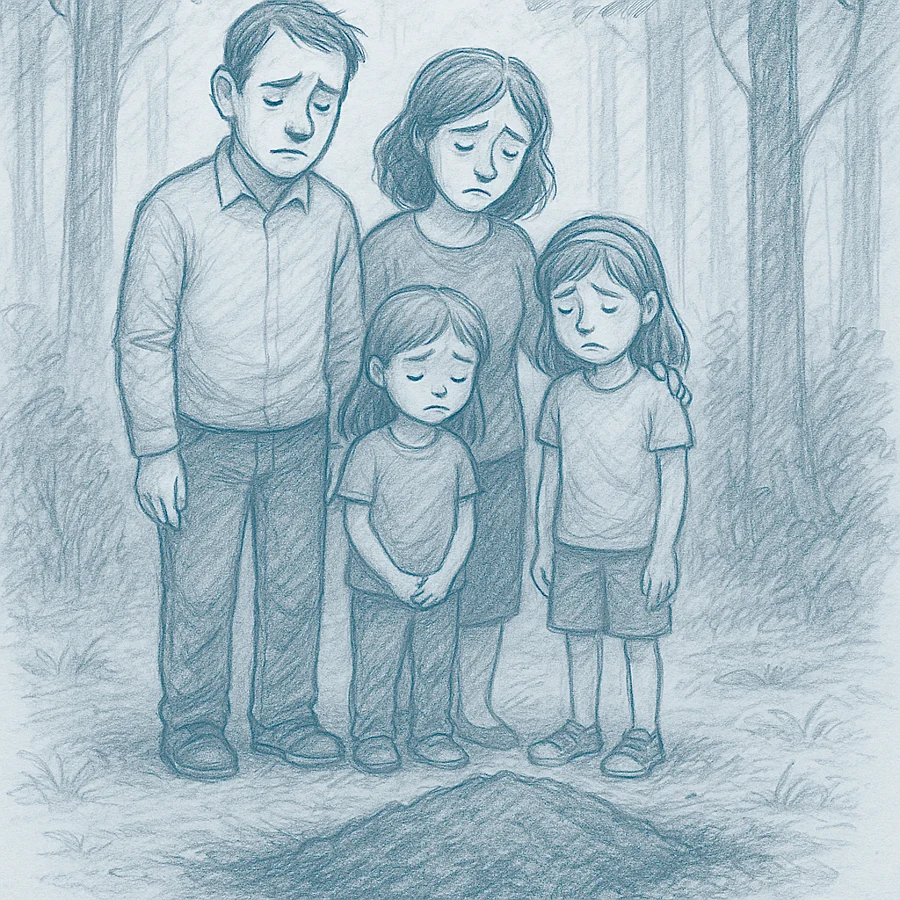
The learning opportunity
Explore the connection between pressure, attention, and decision-making. The lesson can become a practical pause before a transition. Ask what signals show someone is rushing and what a group can do to make kindness and safety easier.
Learning goal
Students will reflect on the emotional impact of rushing and the importance of slowing down to prioritize kindness and safety.
Competencies: Self-Awareness, Social Awareness, Responsible Decision-Making, Relationship Skills
Scott’s story
When I was a young father, we lived in a house out in the country. My daughters, Maegan and Laurel, were around 8 and 4 years old, and one day, my wife found a golden retriever puppy she loved. The girls were overjoyed, and we brought her home and named her Annie. She was sweet and lovable, but she had one bad habit: chasing cars.
We didn’t have many cars out on our dirt road, but any time one came by, Annie wanted to chase it. We always had to watch her closely. If she ever ran under a tire, it could be fatal.
One Sunday morning, like many others, was hectic. I was anxious about being late for church—maybe because I had a job to do, maybe just because I hated being late. That anxiety made me grumpy. I snapped at my daughters: “Hurry up, let’s go, get dressed, we’re running late!” I rushed my wife too.
In all the rushing, I forgot to put Annie in the garage. We all got into the car, I hit the garage button, backed out, and started driving away. I was half a mile down the road before I saw her in the rearview mirror.
Annie had been chasing us. I stopped, opened the door, and she leapt in. I was so relieved she hadn’t been hit. But I also felt ashamed. My need to be “on time” had almost cost us something we couldn’t replace.
That morning taught me that being kind is more important than being punctual. And that love sometimes means slowing down.
Step 2: Lesson Plan – "When We’re in a Hurry"
Objective: Students will reflect on the emotional impact of rushing and the importance of slowing down to prioritize kindness and safety.
Part 1: Discussing the Story (10–15 mins)
Why was the storyteller rushing?
What was nearly lost in the process?
What shifted in the narrator’s thinking?
Part 2: Reflect and Relate (15–20 mins)
Journal: “When have I rushed and missed something important?”
Share in pairs or small groups.
Part 3: Slow Down Signals (15–20 mins)
Brainstorm as a class: How can we remind ourselves to slow down when we feel pressured?
Create posters or personal reminders.
Spark, shutdown and reflection
Journal Prompts:
A Spark: A time someone reminded you to slow down or showed kindness when you were rushing.
A Shutdown: A time when pressure made you act in a way you regret.
How might you choose differently next time?
Sharing Options:
“Slow Down” wall with affirmations and ideas
Partner storytelling and quiet reflection
Ask students: “What’s one small way we can remind ourselves today that people matter more than schedules?”
Companion guidance by Scott Simpson and Sharla Steever. Consult the book alongside these resources; activities and summaries do not replace the complete book.