 Storywork
The learning opportunity
Read the complete story before choosing it for a group. Its central inquiry concerns how people respond with dependable care. For learners who need a gentler version, retain the theme of support while simplifying background details. Do not make personal trauma disclosure a condition of participation.
Learning goal
Students will reflect on how trauma can affect others and explore how love and presence can bring healing.
Competencies: Empathy, Resilience, Compassion, Social Awareness
Sharla’s story
Early in my teaching career, a parent approached me about a foster child who would soon be joining my class. She gently encouraged me to read Dave Pelzer’s book, A Child Called It, because her foster daughters had experienced something similar—what she described as being “closet babies.”
I had never heard that term before, but I quickly read all three of Pelzer’s books, each one breaking my heart and expanding my understanding of trauma. Closet babies are children kept in isolation, sometimes in closets, with minimal human interaction—often victims of severe abuse and neglect. I was overwhelmed by the horror of it and unsure how I could support these children.
When I met Sarah, one of the foster daughters, I could see the trauma in her eyes and her body. She was small, fragile, and non-verbal. Her hair was long and matted, and she barely responded when spoken to. She’d been given clean clothes and glasses, but she had a long road ahead.
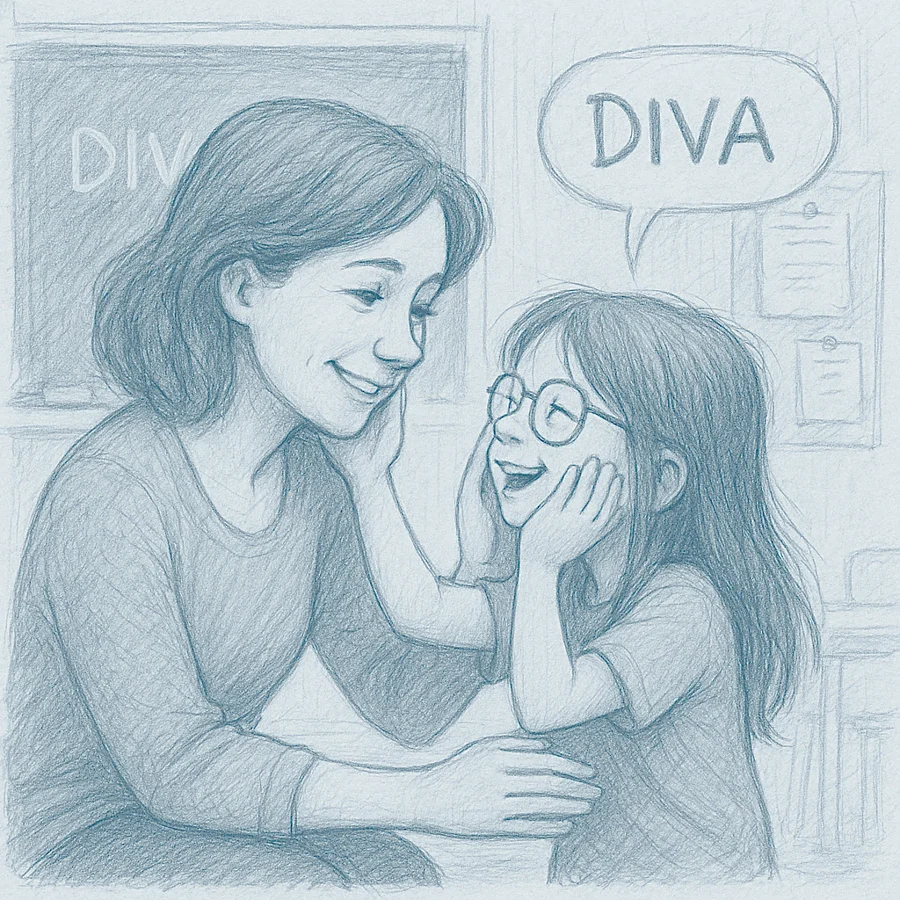
Despite everything, Sarah made incredible progress. She began to smile. She tried to form sounds. One day, as I sat beside her talking, she reached out and gently placed both hands on my cheeks, staring at my mouth as I spoke. The speech pathologist explained how important those early years of bonding and lap time are to language development—Sarah and her sister had missed all of that.
I grieved for what had been stolen from her, but I also witnessed the miracle of her growth. The love of her foster parents and the support of her school team helped her find safety and healing.
And then, halfway through the year, Sarah said her first word to me. “Diva.” I was confused at first, but the specialist smiled and said, “She’s saying ‘Mrs. Steever.’” The tears came before I could stop them. It was the most beautiful name I had ever been given.
Sarah’s journey is her own to tell, but I carry the lessons she taught me deeply: that love is powerful, presence matters, and every child deserves a chance to be seen, heard, and cherished.
Step 2: Lesson Plan Theme
Theme: Resilience and Compassion Goal: Students will reflect on how trauma can affect others and explore how love and presence can bring healing.
Classroom Discussion Prompts:
What do you think helped Sarah start to feel safe and loved?
How can we show care and support to someone who has been through hard times?
Why do you think just being there (even without words) matters so much?
What did Sarah teach Mrs. Steever?
Spark, shutdown and reflection
Spark Story Prompt:
Tell or write about a time when someone made you feel safe or understood.
When have you helped someone feel like they belong?
Shutdown Reflection Prompt:
Describe a time when someone ignored your feelings or didn’t see your needs. How did that make you feel?
How can we be careful not to overlook others who may be hurting silently?
Reflection Options:
Create a “Safe Spaces” poster with ideas for how we can make our classroom feel safe and welcoming.
Pair-share: “One way I can help someone feel loved is…”
What does it mean to truly see someone, and how might your presence be someone else’s turning point?
Companion guidance by Scott Simpson and Sharla Steever. Consult the book alongside these resources; activities and summaries do not replace the complete book.